Back from Peru, 2003 — My First Blog Before Blogs Were a Thing 🇵🇪
A rediscovered piece from my first ever travel write-up, written after returning from Peru. The Inca Trail, the Andes on horseback, freezing nights, thin air, and the first real glimpse of what adventure could mean.
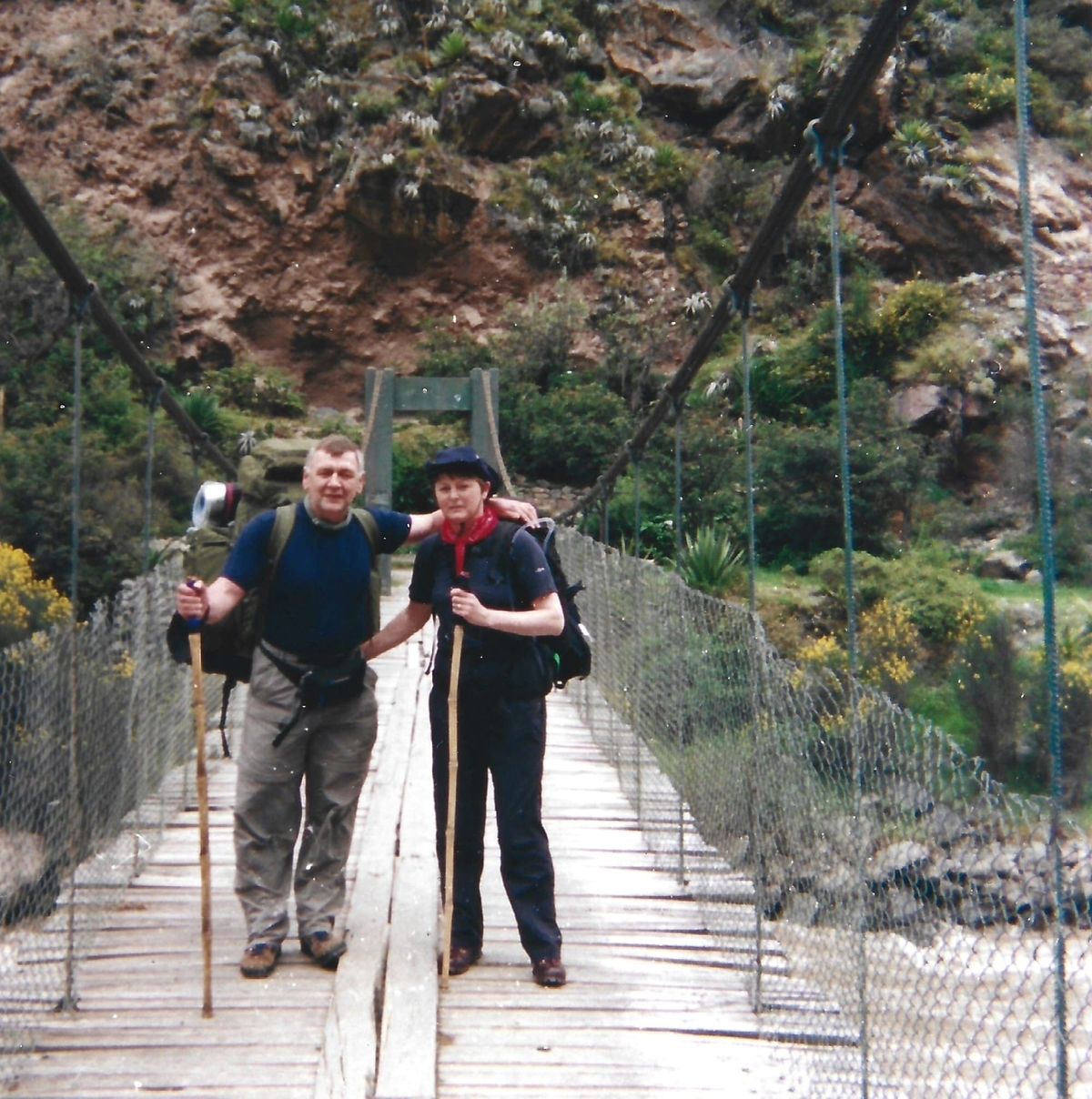
I recently found the first travel write-up I ever did, written after returning from Peru all those years ago. Reading it now, I can see the start of something I didn’t recognise at the time — a love of travel, challenge, noticing details, and writing it all down.
I’ve polished it slightly for the website, but I’ve tried to keep the feeling of the original, because that is what makes it special.
Well folks, I’m glad to say we both returned in one piece from our holiday with a difference in Peru.
It was an adventure from start to finish. The flights alone took eighteen hours, via Amsterdam, but both left on time and arrived on time, which felt like a good start.
We landed in Lima at 7pm local time. Richard was quite happy with the idea of sleeping on the airport floor before our early flight to Cusco the next morning, but I decided that was a step too far. A hot shower and a soft bed, even for just a few hours, sounded much more appealing, so we booked into a local hotel.
The next morning we flew to Cusco, where the real adventure began.
Our hotel was only a few minutes’ walk from the main square, so we had a wander around and my first taste of Peruvian cooking. I can’t say I was overly impressed at that point.
Walking around Cusco was hard work too. At that altitude, oxygen suddenly feels like something you should never have taken for granted.
We had two days to acclimatise before leaving for Machu Picchu. I was feeling fairly apprehensive, especially when we got on the bus and I realised the average age seemed to be about twenty-three. I did wonder whether this might be something more suited to the kids.
The Inca Trail was tough. The altitude made walking, eating and sleeping difficult, but we were lucky to have porters carrying the tents, food and sleeping bags. We only carried essential clothes and water.
There were nine tourists in our group. We were a very mixed bunch — Dutch, Argentinean, Danish, Israeli, Spanish and British — but English became the common language, which made life much easier.
The trek covered about 42 kilometres, and at the highest point we reached 4,198 metres, or 13,853 feet.
Day one wasn’t too bad. We walked about fourteen kilometres, most of it fairly flat, with no major dramas. By the time we arrived at camp, the tents were up and tea was being prepared. So far, so good.
Day two was a very different matter.
We left camp at 7.30 in the morning. The first part of the day involved climbing seven kilometres up to Dead Woman’s Pass. The first hour or so wasn’t too bad, with some gentle climbs through the valley, but then the real climbing began.
At the steepest part, I could only manage about twenty-five steps before I had to stop and catch my breath. At one point I felt completely beaten. My legs had no energy left at all. A couple of toffees and a dextrose tablet later, I was somehow up and running again.
We finally reached the top at 12.50, where we had a quick break for chocolate and a drink before starting the descent.
Although going down was easier on the lungs, it was still hard work. The path was rough, with steep steps all the way down. The mist meant we only caught glimpses of the scenery, but even those glimpses were enough to know we were somewhere very special.
We arrived at camp around 3pm. That evening we ate early and were in bed by eight o’clock.
The next morning started at 5.30 after a night that felt as though I hadn’t slept at all. Sleeping at 3,600 metres really does affect you. The day began with another climb, this time back up to 3,860 metres, followed by a gentler walk by Inca Trail standards through the rainforest.
After lunch we began another long descent. With a steep drop on one side, the last thing you wanted to do was stumble. By late afternoon, the cloud cleared and we finally began to see more of the stunning scenery around us.
That night our campsite had a bar, so after a quick trip to the tent to dump our kit, it was straight in for tea and a couple of very welcome beers before another early night.
On the final morning we were up at 4am. It had hammered down with rain during the night, but about five minutes before we got up, it stopped. We had a quick breakfast by torchlight and set off for the Sun Gate before dawn.
There was heavy mist as we were still in the rainforest, but as dawn broke, the whole forest seemed to wake up around us. The noise was incredible.
We reached the Sun Gate just after dawn, but the mist was so thick we could hardly see a thing. We carried on down to Machu Picchu, where the mist was still hanging over everything. After a couple of hours in the café, we walked back up.
Then suddenly, the mist lifted.
There it was.
Machu Picchu appeared in front of us, and it was absolutely stunning.
The city is built on the side of a cliff, with sheer drops on three sides. Even today, it is hard to imagine how it was constructed. We spent a few hours with our guide, then caught the bus down to the station for a very well-earned meal before taking the train back to Cusco. We finally arrived back at the hotel at about 9pm.
The trek had been very hard, but I was really pleased that, on the whole, it hadn’t caused me any major problems. It is possible to visit Machu Picchu by train, but I think walking the trail first added something very special. It gave me a greater appreciation of just how incredible the Incas were to build such a city in such a place.
And then came the second trek.
This one took us through the Andes, mainly on horseback, although there was still some walking. Richard had arranged the trip just for the two of us, with a guide, cook, horseman and two helpers. We had five horses in total and travelled through completely unspoilt wilderness, apart from the occasional small settlement.
The scenery changed constantly. We had sunshine and clear blue skies, which meant we could see the tops of the Andes for much of the time. The downside was the temperature at night. Camping at minus eighteen is not something I would recommend.
The days were long. Most mornings started around 7.30, and we often didn’t reach camp until after 5pm. The scenery was stunning, always changing from one valley to the next.
On day two, we had two very hairy moments, with both Richard and myself coming off our horses at different times near the edge of sheer drops. I ended up rather bruised, as my horse was displaced and kicked me a few times.
After that, I decided it obviously wasn’t time to go yet, so I might as well stop worrying about what could happen and enjoy myself.
Midway through day three, we reached the second highest lake in the world. We trekked for another five hours that day and still didn’t reach the end of it.
The next morning we took part in a ceremony to the Inca gods, which involved a bottle of wine and coca leaves. It was a very solemn affair, although we didn’t get to drink the wine.
Later, we climbed to 5,200 metres, around 17,160 feet, and reached the snow line. On day five, we crossed the Campa Pass at around 5,000 metres, passing Nevado Ausangate, one of the great mountains of the Andes. That night we stayed in a hostel at one of the settlements, which felt like an adventure in itself.
On the final day we rode into Tinqui to meet our transport back. Riding into town felt like being part of a western, as we tethered our horses and headed to the nearest bar to wash the dust from our throats.
By the end of the second trek, my memories of the Inca Trail were that it had been a stroll in the park.
I had been through the full range of emotions, from despair — mainly due to several cold, uncomfortable nights in the tent and one rather severe case of holiday tummy — to complete joy at the sheer beauty and peacefulness of the Andes.
I feel incredibly lucky to have visited this area before it became busier. My horse-riding skills improved no end, and I came away with complete respect for the horses and the way they moved through the mountains.
We were looked after so well by the Peruvians, although I do think they may have thought I was completely off my trolley attempting such a trek at my young age.
What amazed me most was how much the body can cope with. Although I felt I had hardly slept, had no appetite and ate very little, I still got up each morning and enjoyed the day — or at least most of it.
I learnt a lot about how durable we are as human beings. We are capable of far more than we think, if we only put our minds to it.
Peru is a beautiful country, though still very poor in parts. In the mountains, people still live much as they have done for centuries, wearing traditional dress full of colour. In the tourist areas there is more pressure to buy things, which can become a little annoying at times, but that is part of travelling too.
All in all, it was a brilliant experience. Completely different from the holidays we had been used to, and one I have never forgotten.
Reading this now makes me smile. I can see that I was already noticing things — the mist, the noise of the forest, the fear, the cold, the relief, the humour.
I just didn’t realise then that this was writing.
I also had to laugh at myself for thinking I was old. I was only in my forties. Funny how every age looks different once you’ve moved a little further along the road.
Looking back now, I can see that Peru was more than just a trip. It was probably the beginning of something: the first time I realised that adventure didn’t have to belong to other people.
Sometimes you only discover what you are capable of by putting yourself somewhere slightly uncomfortable, taking a deep breath, and carrying on.